



Access problems for Cranford flats on Staines Road removals
Posted on 26/06/2026
Access problems for Cranford flats on Staines Road removals: a practical guide for smoother moving day
Access problems for Cranford flats on Staines Road removals can turn an otherwise ordinary moving day into a bit of a scramble. Narrow stairwells, awkward parking, shared entrances, lift restrictions, tight turning space, and those lovely little surprises like no stopping outside the block can all slow things down. If you are moving into or out of a flat on Staines Road, the good news is that most access issues are manageable with the right prep. This guide walks through what usually causes trouble, why it matters, and how to plan a flat move that feels controlled rather than chaotic. And yes, even the fiddly bits can be handled.
Why access problems for Cranford flats on Staines Road removals matters
Flat removals are rarely difficult because of the furniture alone. They become difficult because of the route to the front door. On Staines Road, that route may involve a shared hallway, a flight of stairs, a tight corner near the landing, limited waiting space outside, or a building layout that looks simple until you try to bring a sofa through it. That is where planning makes all the difference.
For anyone arranging flat removals Cranford on this stretch of road, access affects time, labour, vehicle choice, and the risk of damage. It also affects how relaxed you feel on the day, which matters more than people admit. A move can go from tense to manageable simply because the team knew in advance where the awkward bits were.
To be fair, most access issues are not dramatic. They are just inconvenient. But inconvenience adds up. A small delay at the entrance can quickly turn into a longer loading time, extra lifting, a second trip, or a frustrated neighbour waiting to get past. That is why access planning is not a side issue; it is central to a successful move.
If you want a broader overview of the moving process, it can help to read the services overview and the flat removals Cranford page before you book. Those pages are useful when you are comparing what kind of support you actually need.
How access problems for Cranford flats on Staines Road removals works
In practice, a mover looks at three things: how close the vehicle can get, how easy it is to get items from the flat to the vehicle, and whether anything in the building slows the process down. Sounds simple. It often isn't.
For a Staines Road flat, the key access points usually include the entrance, hallway, stairwell, lift, landing, and external loading area. If any of those are narrow, busy, or restricted, the removal plan has to change. Sometimes that means using smaller loads. Sometimes it means bringing additional labour. Sometimes it means choosing a different time slot to reduce obstruction. There is no single fix, and that is the honest answer.
Here is the typical sequence:
- Check the building layout and the route from the flat to the vehicle.
- Identify anything bulky, heavy, fragile, or awkwardly shaped.
- Confirm parking options and any waiting restrictions.
- Decide whether the move can be done in one visit or needs staged loading.
- Prepare protective materials, packing strategy, and carrying equipment.
- Allow time for the unexpected, because there is always one small surprise. Usually a door, a corner, or both.
If you are still gathering packing ideas, the guide on proven packing methods for a seamless house relocation is a sensible place to start. And if you are trying to cut down what needs moving in the first place, decluttering before the move can reduce pressure quite a lot.
For smaller moves, a man with a van in Cranford or a man and van Cranford setup may be enough. For trickier flats with poor access, you may need a larger, more structured removal plan. That is not about upselling. It is about matching the job to the building.
Key benefits and practical advantages
When access is planned properly, the move feels noticeably calmer. You spend less time waiting for people to shift cars, less time trying to rotate wardrobes through impossible angles, and less time worrying about scuffed walls. Simple really, but easy to miss until the day arrives.
- Less delay: the crew can load and unload without constantly stopping to solve a new problem.
- Lower damage risk: narrow access often means more contact with walls, railings, and door frames unless protection is planned.
- Better cost control: time lost to access issues can push a move beyond the original estimate.
- More realistic planning: you know whether one vehicle is enough or whether a staged move makes more sense.
- Less stress for everyone: you, your neighbours, and the people doing the lifting all benefit from a tidy plan.
There is also a quieter benefit: good access planning helps preserve good will in the building. Flats are shared spaces. A move that blocks the corridor for ages can irritate people fast. A move that is tidy, quick, and respectful tends to pass without fuss. That matters more than people think.
For more context on choosing the right moving support, you might also look at removal services in Cranford, removal companies Cranford, or even the broader removals Cranford page if you are comparing options.
Who this is for and when it makes sense
This topic matters most if you are moving from a flat on Staines Road and any part of the route is awkward. That includes first-floor conversions, maisonettes, blocks with no lift, older buildings with narrow staircases, and modern developments where access looks fine until you discover the lift is tiny and the loading bay is occupied. You know the sort of thing.
It is especially relevant for:
- tenants moving in or out of upper-floor flats
- students with a lot of boxes and very little patience for stairs
- families moving from compact apartments with bigger furniture than the building really wants
- landlords and letting agents arranging quick turnarounds
- small businesses moving equipment or stock from residential flats
If your move involves a bed, sofa, freezer, piano, or a heavy wardrobe, access becomes even more important. The item itself may be manageable, but the path out may not be. That is why guides like moving a bed and mattress safely, sofa care and storage advice, and storing an unused freezer properly are surprisingly useful in a flat move.
If you are moving a tricky item, there is also specialist help for furniture removals Cranford and piano removals Cranford. Not every object should be handled the same way. Truth be told, some items simply do not forgive improvisation.
Step-by-step guidance
Here is a practical way to handle access problems before moving day. Keep it simple and work through it early. The best time to notice a problem is definitely not with the van idling outside and a wardrobe half-rotated in the hallway.
- Walk the route from front door to vehicle. Look for tight turns, low ceilings, steps, uneven pavement, and anything that might slow carrying.
- Measure bulky items. A sofa, bed base, wardrobe, and fridge-freezer are the usual suspects. Measure height, width, and depth, then compare that with stairwells and door openings.
- Check parking and stopping options. Staines Road can be busy, so think about where a van can safely pause and how far items will need to be carried.
- Speak to building management early. Ask about lifts, loading access, entry codes, and any time restrictions. It avoids awkward surprises later.
- Decide on the right vehicle and crew size. A small van may be ideal for access, but if there is lots of volume, you may need multiple loads or more manpower.
- Prepare fragile and awkward items separately. Mirrors, TVs, glass shelves, lamps, and flat-pack furniture all need a bit of thought.
- Protect the building and the furniture. Use blankets, corner protectors, bags for screws, and floor coverings where needed.
- Build in time for the first obstruction. Something always takes longer than expected. A lift, a parked car, a difficult sofa turn. Pick your battle, as they say.
If you are moving the whole property rather than just a few items, the house removals Cranford service overview can help you judge whether your move is actually better handled as a full-service job rather than a smaller van job.
And if you are trying to keep costs tight, it is worth reading how to avoid hidden removals charges in Cranford before you confirm anything. Access issues are one of the places where extra time can quietly appear.
Expert tips for better results
In our experience, the best flat moves are the ones where the team can see the problem before it becomes a problem. A few small habits make that much more likely.
- Take photos of the entrance, stairwell, and parking area. A few phone photos can tell a mover more than a long text message.
- Label oversized items clearly. If a wardrobe needs dismantling, say so early.
- Keep hallways clear the night before. Boxes in the entrance are fine until they are not. Then they are just in the way.
- Move the essentials separately. Keep documents, chargers, medication, and keys with you.
- Plan for the weather. A wet morning in West London changes how carefully people move boxes and flatscreen TVs. Wet shoes on a communal stairwell are no joke.
- Use a packing sequence that matches the route. If the access is tight, pack by carry priority rather than by room.
A small but useful trick: if a building has a lift, assume it may not take everything. That is not pessimism. That is practical realism. Measure the lift, measure the awkward item, then check whether the item can stand, tilt, or turn safely. It saves embarrassment and, more importantly, saves wall paint.
If the access is genuinely poor, a short-term storage option can reduce pressure. The storage Cranford page is worth a look if you need to split the move into stages.
Common mistakes to avoid
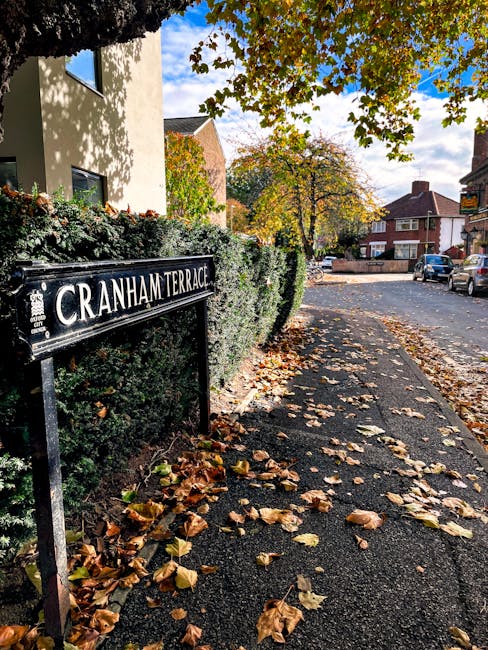
Most access problems are made worse by assumptions. The phrase "it should fit" has ended more moving days than anyone wants to count.
- Not checking parking in advance: a van cannot unload well if it has to circle the block twice.
- Assuming the lift is large enough: it might not be, and then you are back to stairs.
- Forgetting about corridor width: a sofa may clear the doorway but still fail at the corner.
- Leaving packing until the last night: rushed boxes are harder to stack and slower to carry.
- Booking too small a vehicle: that can mean extra trips, which is annoying and sometimes expensive.
- Ignoring neighbour impact: blocked access, noise, and shared entry doors can create avoidable tension.
- Not saying what needs dismantling: beds and wardrobes often need more than a quick lift.
A common one, oddly enough, is underestimating how much time the first 10 metres take. Once the items are outside, everything looks easier. Before that? It can feel like trying to thread a needle while carrying a mattress.
For students or people moving with limited belongings, student removals Cranford can be a practical fit, especially if access is decent but volume is low. If access is poor as well, the planning still needs to be just as careful.
Tools, resources and recommendations
You do not need a van full of specialist kit to make a flat move easier, but a few practical items go a long way.
| Tool or resource | Why it helps | Best for |
|---|---|---|
| Furniture blankets | Protects walls, banisters, and polished surfaces | Sofas, tables, wardrobes |
| Straps and trolleys | Makes lifting and carrying safer and more controlled | Heavier boxes and appliances |
| Floor protection | Reduces scuffs in communal areas | Shared stairwells and entrances |
| Small boxes | More manageable in tight access areas | Books, crockery, mixed household items |
| Route photos | Helps the mover plan before arrival | Any flat with uncertain access |
For guidance on packing materials, the packing and boxes Cranford page is useful. If you want a calmer lead-up, a stress-free cleanup routine before your move is worth a read too. It sounds minor, but a clear flat is much easier to carry through.
Some people also like to balance the physical side of moving with better handling technique. That may sound a little academic, but it is sensible. If you are curious, solo heavy lifting advice and the more unusual piece on kinetic lifting both offer an interesting angle on how lifting practice is evolving. Not essential reading, but useful context.
Law, compliance, standards and best practice
Access planning is not only about convenience. It also sits inside a wider framework of safety, property care, and considerate working. In the UK, removal work should be carried out with reasonable care for people, property, and shared spaces. That means avoiding unnecessary obstruction, protecting communal areas where possible, and handling heavy items safely.
For flats, that usually means checking building rules, respecting shared entrances, and making sure the move does not create avoidable risk. If the property has a lift, building management may have specific conditions for its use. If there is no lift, the mover should plan for manual handling carefully rather than treating stairs like an afterthought.
It is also sensible to understand what insurance and safety cover actually means before moving day. The insurance and safety page is relevant if you want to know how the business approaches risk and protection. For broader working standards, the health and safety policy explains the kind of care you should expect from a professional operation.
If you are comparing providers, it helps to look at trust signals too: about the company, terms and conditions, privacy policy, and payment and security. These pages matter because a careful mover is usually a better planner, and planning is exactly what access problems need.
Options, methods, or comparison table
There is more than one way to manage a tricky flat move. The right approach depends on the size of the load, the access, and how much time you have. Below is a plain comparison that may help.
| Method | Best for | Pros | Watch-outs |
|---|---|---|---|
| Small van with careful planning | Light moves, student flats, fewer items | Easy to park, flexible in tight roads | May need more trips if volume is underestimated |
| Man and van support | Modest moves with some awkward access | Flexible labour, better for stair carries | Not ideal for very large furniture sets |
| Full removals team | Heavier loads, more furniture, poor access | More efficient for complex moves | Needs stronger planning and booking lead time |
| Split move with storage | Very tight access or staggered handover dates | Reduces pressure on the day | Requires extra coordination and possibly extra cost |
For many Cranford flat moves, the best option is not the biggest vehicle. It is the one that matches the access. Sometimes smaller is smarter, which is mildly inconvenient for pride but excellent for the walls.
Case study or real-world example
Imagine a one-bedroom flat on Staines Road with a narrow internal staircase, no lift, and a parking space that cannot be guaranteed right outside the entrance. The main items include a double bed, two wardrobes, a sofa, a washing machine, and about 25 boxes.
On paper, that might sound straightforward. In reality, the staircase is the deciding factor. A standard sofa may need to be turned carefully on the landing. One wardrobe may need dismantling. The washing machine will need protection and a clear carry route. If the van cannot stop directly outside, the loading time stretches out because each item has to be moved a little further.
In a case like this, a good plan would probably include:
- a pre-move access check with photos of the entrance and stairwell
- disassembly of the larger bedroom furniture before moving day
- smaller, labelled boxes instead of heavy mixed cartons
- a reserved loading window or at least a realistic parking plan
- protective covers for the hallway and front door area
The move does not become effortless, because let's be honest, flat moves rarely are. But it becomes orderly. That is the difference between a day that feels like a battle and a day that feels like work getting done properly.
If the move also involves a local route that is sensitive to timing or road conditions, the article on removals in Cranford for Bath Road moves and the piece on route tips between Cranford Park and Hounslow West can help you think more realistically about timing and access on the day.
Practical checklist
Use this checklist a few days before the move. It is simple, but it catches the stuff people forget when they are busy.
- Photograph the entrance, stairs, lift, and parking area.
- Measure large items and note any that need dismantling.
- Confirm parking, loading, and any building restrictions.
- Tell the mover about narrow turns, low ceilings, or heavy items.
- Clear corridors, landings, and the front door area.
- Pack heavy items into smaller boxes.
- Set aside tools, screws, and fixings in a labelled bag.
- Protect floors, banisters, and corners if needed.
- Keep essentials with you, not on the van.
- Allow extra time. A little. Not loads, just enough to avoid panic.
If you want to check pricing before you commit, the pricing and quotes page and the local article on the real cost of Cranford house removals can help frame expectations without guesswork.
Conclusion
Access problems for Cranford flats on Staines Road removals are not a reason to dread moving day. They are a reason to plan properly. Once you know where the pinch points are, the rest becomes much easier to manage: better vehicle choice, fewer delays, safer lifting, and less risk to your belongings and the building itself.
The key is to treat access as part of the move, not a footnote. Measure the route. Share the details early. Choose the right level of help. That's the whole game really. And when you do that, even a fiddly flat move starts to feel less like a problem and more like a plan.
Get a free quote today and see how much you can save.
And if you are still at the stage of comparing your options, take one calm look at the details, then breathe. The hard part is usually the uncertainty, not the move itself.