




Hounslow council parking rules for removals in Cranford
Posted on 22/05/2026
Hounslow council parking rules for removals in Cranford: a practical guide for stress-free moving day
If you are planning a move in Cranford, parking can become the one detail that quietly causes the biggest headache. A van that can't stop near the front door, a yellow line you didn't notice, or a loading bay that's already occupied can turn a tidy moving schedule into a messy delay. That is why understanding Hounslow council parking rules for removals in Cranford matters so much. It is not just about avoiding a ticket; it is about keeping your move calm, efficient, and less physically draining.
This guide explains how local parking controls typically affect removals, what to check before moving day, how to reduce risk, and when it makes sense to get extra help. You will also find a checklist, a comparison table, and practical answers to the questions people ask most often. To be fair, parking is never the glamorous part of a move. But it is often the part that saves the day.
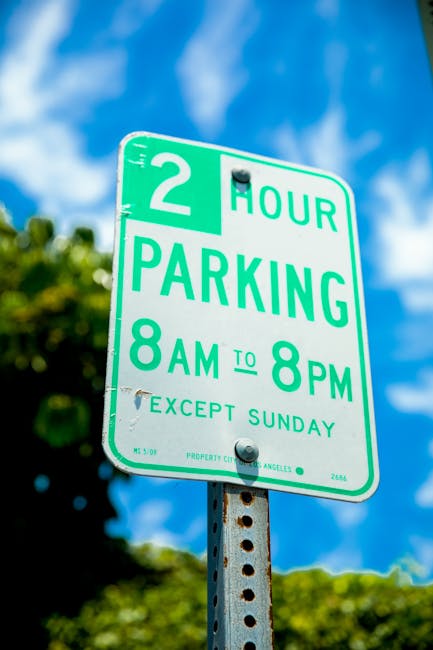
Why Hounslow council parking rules for removals in Cranford Matters
Cranford sits in a busy part of west London, where residential streets, main roads, and local restrictions can all affect how a removals vehicle is parked. Even a simple house move can go sideways if the van has nowhere legal to wait. A few minutes of checking the rules ahead of time can save you from fines, complaints from neighbours, or a team having to carry heavy items further than expected.
And that last part matters more than people think. Extra walking distance sounds small, but with wardrobes, boxes, mattresses, or a piano, it adds time, fatigue, and risk. If you have ever carried a sofa from the far end of a road while cars queue behind you, you already know the feeling. It is not ideal. Not at all.
Local parking restrictions also affect timing. For example, if you need a suspension or permission for a space near the property, you may have to arrange it in advance. If you rely on a loading bay, you may need to consider whether it is available during your moving window. Small details, big impact.
For many people, the easiest way to keep the move on track is to pair parking planning with the rest of the move itself. Our removal services overview is a useful place to understand how different moving options fit together, especially if your move involves awkward access or narrow streets.
How Hounslow council parking rules for removals in Cranford Works
Local parking rules are usually a mix of waiting restrictions, permit controls, loading allowances, single yellow lines, double yellow lines, and possible bay markings. The exact arrangements vary by street, so the key point is simple: do not assume that a van can stop just because it is a moving day.
In practical terms, removals often depend on one of the following arrangements:
- Short loading-only stops where permitted, provided the vehicle is actively loading or unloading.
- Resident permit areas where a bay or place may need permission in advance.
- Suspended bays arranged temporarily so a vehicle can park close to the property.
- Restricted roads where stopping is limited by yellow lines, signs, or other controls.
What catches people out is that "loading" is not a blanket excuse. Councils and enforcement officers generally look for genuine loading activity, not an idle van with the engine running while everyone disappears inside for a tea break. Sensible enough, really.
If you are moving from a flat, especially one with stairs or limited road access, parking becomes even more important. The practical reality is covered well in our flat removals in Cranford page, which is relevant if your move includes tight entrances or shared access areas.
It is also worth remembering that local rules are often enforced more strictly during busy periods. Morning school runs, commuter traffic, and trade deliveries can all make a street feel tighter than it looks on paper. By early afternoon, the same road can still be busy. One quick look on moving day is rarely enough; you want a plan before the boxes are stacked at the door.
Key Benefits and Practical Advantages
Getting parking right does more than prevent penalties. It improves the whole moving process.
- Less carrying distance: A legal parking spot close to the entrance reduces lifting strain and speeds up loading.
- Fewer delays: When the van can stay where it should, the team can work steadily instead of improvising.
- Lower stress: Everyone knows what is happening, which helps keep the day calm.
- Better safety: Shorter carry routes and fewer roadside manoeuvres reduce the chance of knocks, trips, or rushed lifting.
- Cleaner communication: Neighbours, building managers, and enforcement officers are less likely to object when the arrangement is clear.
There is also a financial angle, even if nobody likes to dwell on it. Parking penalties, permit mistakes, and unnecessary extra labour can all raise the real cost of a move. A little planning often protects the budget in a very ordinary, practical way.
If you are still comparing move types, our man with a van service in Cranford can be a useful fit for lighter jobs or short local moves where parking access is manageable. For bigger homes and more furniture, a fuller house removals service may make the day smoother.
Who This Is For and When It Makes Sense
This topic is relevant for almost anyone moving in or out of Cranford, but some groups need to think about parking more carefully than others.
- Home movers who need a van close to the front door.
- Flat movers dealing with shared entrances, stairwells, or busy streets.
- Office movers where staff, deliveries, and workplace access all have to continue during the move.
- Students moving with a few bags, boxes, and not much spare time.
- People moving bulky items such as sofas, beds, wardrobes, or a piano.
- Last-minute movers who may need same-day support and have less time to sort permits.
If your move involves stairs, fragile furniture, or particularly heavy items, parking planning becomes part of the safety plan as well. Our guide on solo heavy lifting is a useful reminder of why reducing carry distance matters. The less you have to haul across pavement, the better.
For business moves, the equation is a bit different. Staff may need to keep working, customers may still be arriving, and the vehicle may need access at a precise time. In that case, a carefully timed parking plan can be the difference between a tidy transfer and a chaotic first hour. Truth be told, offices hate avoidable disruption more than almost anything.
Step-by-Step Guidance
If you want the move to run smoothly, handle parking as part of the moving plan rather than as an afterthought. Here is a sensible order of operations.
- Check the street first. Look for signs, yellow lines, bay markings, and nearby restrictions. Don't just glance from the car. Walk the area if you can.
- Measure the access point. Consider whether the removals van can actually stop safely and whether there is room to unload without blocking a junction or crossing.
- Decide whether permission is needed. If the street uses permit parking or controlled bays, find out whether a temporary arrangement, visitor permit, or bay suspension is relevant.
- Plan the loading sequence. Put the most awkward or heavy items near the exit first. That way the crew is not hunting for a mattress while the van is waiting.
- Prepare documents and contacts. Keep council details, booking confirmations, and phone numbers handy. Moving day is not the moment you want to start searching through email.
- Build in buffer time. Traffic, lift access, and parking disputes all take time. A modest buffer is better than a panicked sprint.
- Keep one person on parking watch. If possible, one adult should stay aware of the vehicle and any nearby restrictions while others handle the property.
A lot of moving problems are just timing problems in disguise. A van parked legally but too late still causes stress. A permit sorted, but not in the right name, can do the same. Little things. They stack up.
If you are also decluttering before the move, this stage is a good time to use pre-move decluttering advice and our stress-free cleanup routine. Fewer items usually mean a faster load and less pressure on the parking window.
Expert Tips for Better Results
Here are the small, practical habits that make a big difference on the day.
- Do a dry run the day before if the street is unfamiliar. A quick visit at the same time of day can reveal school traffic, delivery congestion, or bay pressure.
- Keep the van route simple. If the driver has to reverse awkwardly or block a wider section of the road, the job becomes slower and more stressful.
- Protect loading time with packing discipline. Good boxing and labelling mean less wandering back and forth. Our packing and boxes support can help if you want a more organised start.
- Separate priority items. Put keys, documents, phones, kettle, and a small toolkit somewhere obvious. You do not want those trapped behind the sofa cushions. Happens all the time.
- Think about furniture shape. Bulky pieces may need a wider parking position or a shorter carrying route. The shape of the item matters almost as much as the weight.
- Be realistic about the weather. Rainy pavements, icy patches, or windy conditions can slow everything down and make the loading edge less safe.
One small but useful observation: neighbours are usually more understanding when they can see that the move is organised, brief, and respectful. A polite conversation before the van arrives can do more than a dozen apologies after. That is just how it is.
If you are moving specialist items, it can be worth reading the relevant guide first. For example, our piano removals page and piano moving advice are especially useful when parking has to be close, stable, and carefully timed.
Common Mistakes to Avoid
Most parking problems during removals come from a handful of very normal mistakes. Nothing dramatic. Just easy-to-miss details.
- Assuming loading is always exempt. It is not. Restrictions still matter, and genuine activity is expected.
- Forgetting to check the right side of the street. Bay rules can change block by block. One side may be different from the other.
- Leaving the booking too late. If a permit or suspension is needed, last-minute requests can limit your options.
- Blocking access points. Driveways, dropped kerbs, and entrances need to stay usable. That part is easy to overlook when everyone is in a rush.
- Ignoring building rules. Flats and managed properties may have separate access requirements. Council rules are only part of the picture.
- Underestimating unloading time. A small move can still take longer than you think if the items are awkward or if lift access is slow.
There is also the classic mistake of trying to "just wing it." That approach sometimes works for a trip to the shops. Not for a moving van on a restricted road. Better to over-prepare a little than to improvise in a hurry.
If your move is part of a bigger life change and you need things moved fast, same-day removals in Cranford can be useful, but the parking plan still needs to be simple and clear. Speed without parking sense is just noise.
Tools, Resources and Recommendations
A successful move does not need a lot of fancy equipment. A few practical tools and sensible resources are usually enough.
- Local street signage: Read every sign near the property, not just the one closest to the front door.
- Booking confirmations: Keep emails or texts related to parking arrangements, permits, or building permissions.
- Phone contacts: Have the council, building manager, and removals team numbers saved in advance.
- Labels and floor plan notes: Good packing and clear room labelling reduce the need for extra shuttling.
- Gloves, trolley, and covers: These are not parking tools exactly, but they reduce the strain that comes from longer carries.
It also helps to use the right moving support for the job. Our removal van service is a good fit when you need a practical vehicle solution, while removal services in Cranford can cover wider moving needs. If you are comparing providers, the removal companies in Cranford page may also help you think through what level of support you actually need.
For people who prefer a straightforward local team, our about us page gives a better sense of the approach and values behind the service. That matters more than many expect, especially if you want someone who understands local roads, tight timings, and ordinary moving-day pressure.
Law, Compliance, Standards, or Best Practice
Parking during removals sits at the intersection of road rules, council controls, and common-sense safety. The exact Hounslow parking arrangements can change depending on the street, the time of day, and any temporary restrictions in place, so it is best to verify current information directly with the council or through the property manager where relevant.
From a best-practice standpoint, the main principles are fairly clear:
- Park legally and safely. Never assume a short stop is acceptable without checking the signs.
- Use loading only when it is genuine. If you are not actively loading or unloading, the position may no longer be defensible.
- Respect neighbours and access needs. Driveways, emergency access, and shared entrances should remain clear.
- Plan for manual handling safety. The parking spot should support a shorter, safer carry route wherever possible.
- Keep evidence where useful. If you have arranged permission or a suspension, retain the details for the move.
Best practice also means thinking beyond the council. If your building has a concierge, a managing agent, or private estate rules, those may be just as important as local authority controls. In other words, the council may allow one thing while the building says another. Happens all the time.
For general safety and moving standards, it is sensible to review the company's approach to handling and protection too. Our insurance and safety information is useful if you want reassurance about how the move is managed responsibly.
Options, Methods, or Comparison Table
Below is a simple comparison of the most common parking approaches used during removals in Cranford. The best choice depends on the street, the property type, and how much you are moving.
| Parking approach | Best for | Advantages | Watch-outs |
|---|---|---|---|
| Street loading where permitted | Short, efficient local moves | Quick, simple, close to the property | Must stay within the allowed terms; not suitable everywhere |
| Permit-based parking | Residential streets with controlled bays | Usually close and predictable if arranged properly | Often requires advance planning or a visitor arrangement |
| Suspended bay arrangement | Moves needing guaranteed access | Gives the clearest space for loading and unloading | May need lead time and formal approval |
| Park farther away and carry | Low-volume or flexible moves | Sometimes easier to arrange on short notice | More physical effort, slower, riskier for bulky furniture |
For a small student move, parking farther away may be acceptable if you only have a handful of boxes. For a family house move, that same arrangement can become a long, tiring slog. Context matters. A lot.
If you are moving a smaller load and need flexibility, student removals in Cranford may be a practical option, while furniture removals in Cranford is the better fit when single bulky items are the main issue.
Case Study or Real-World Example
Imagine a two-bedroom flat move on a narrow residential street in Cranford. The movers arrive at 8:30 a.m., but the nearest unrestricted space is already taken. There is a resident bay outside the building, a single yellow line nearby, and a short stretch where loading might be possible, but only if the van is attended and the boxes move quickly.
In a situation like that, the difference between a calm move and a stressful one often comes down to preparation. If the customer has already checked the street, spoken to the building manager, and packed the essentials separately, the team can unload in an organised sequence. The mattress comes out first, then the boxed kitchen items, then the lighter bags. No wandering around. No confusion. Just a steady rhythm.
Now compare that with the same move on a day where nobody checked the parking restrictions. The van arrives, blocks a space temporarily, a neighbour complains, someone runs upstairs to "check a sign," and the team loses fifteen minutes before the first box is even inside. That sort of delay sounds minor until you are standing on the pavement with a wardrobe and a weather forecast that has clearly given up on kindness.
The lesson is simple: the parking plan is part of the move, not something separate from it.
Practical Checklist
Use this checklist before moving day to reduce the chance of parking trouble.
- Confirm the exact moving address and access point.
- Check street signs, bay markings, and yellow line restrictions.
- Ask whether any resident permit, visitor arrangement, or bay suspension is needed.
- Speak to your building manager if you are moving from a flat or managed property.
- Decide where the van will stop and how long loading is likely to take.
- Prepare a backup plan if the nearest space is unavailable.
- Pack and label items clearly to reduce loading time.
- Keep important contacts and booking details easy to reach.
- Separate fragile, heavy, and priority items before the van arrives.
- Build in extra time for traffic, stairs, or lift delays.
It is a simple list, but simple works. Especially when everyone is a bit tired and the kettle has not yet been unpacked.
Get a free quote today and see how much you can save.
Conclusion
Parking rules may not be the most exciting part of a move, but in Cranford they can shape the entire day. If you understand the local restrictions, plan for loading access, and leave enough time to deal with permissions or street controls, your move becomes much easier to manage. That is really the heart of it.
Whether you are moving a flat, a family home, an office, or a single awkward item, the same principle applies: good parking makes everything else simpler. Less carrying, less stress, fewer surprises. And on moving day, that is a small miracle in ordinary clothes.
If you want guidance tailored to your move, it is worth speaking with a local team that understands Cranford streets and the practical realities of working around them. A thoughtful plan now can save a lot of strain later. Honestly, that alone is worth the effort.